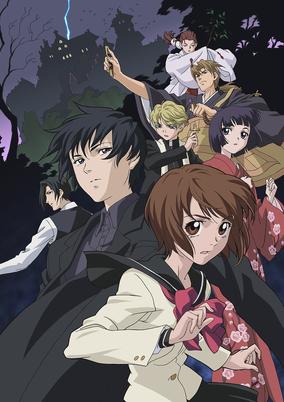
The series consists of adaptations of six modern classics of Japanese literature: Osamu Dazai's No Longer Human (Ningen Shikkaku) & Run, Melos! (Hashire, Melos!), Natsume Soseki’s Kokoro, Ryunosuke Akutagawa’s Hell Screen (Jigoku Hen) & The Spider's Thread (Kumo no Ito), and Ango Sakaguchi's In the Forest, Under Cherries in Full Bloom (Sakura no Mori no Mankai no Shita).
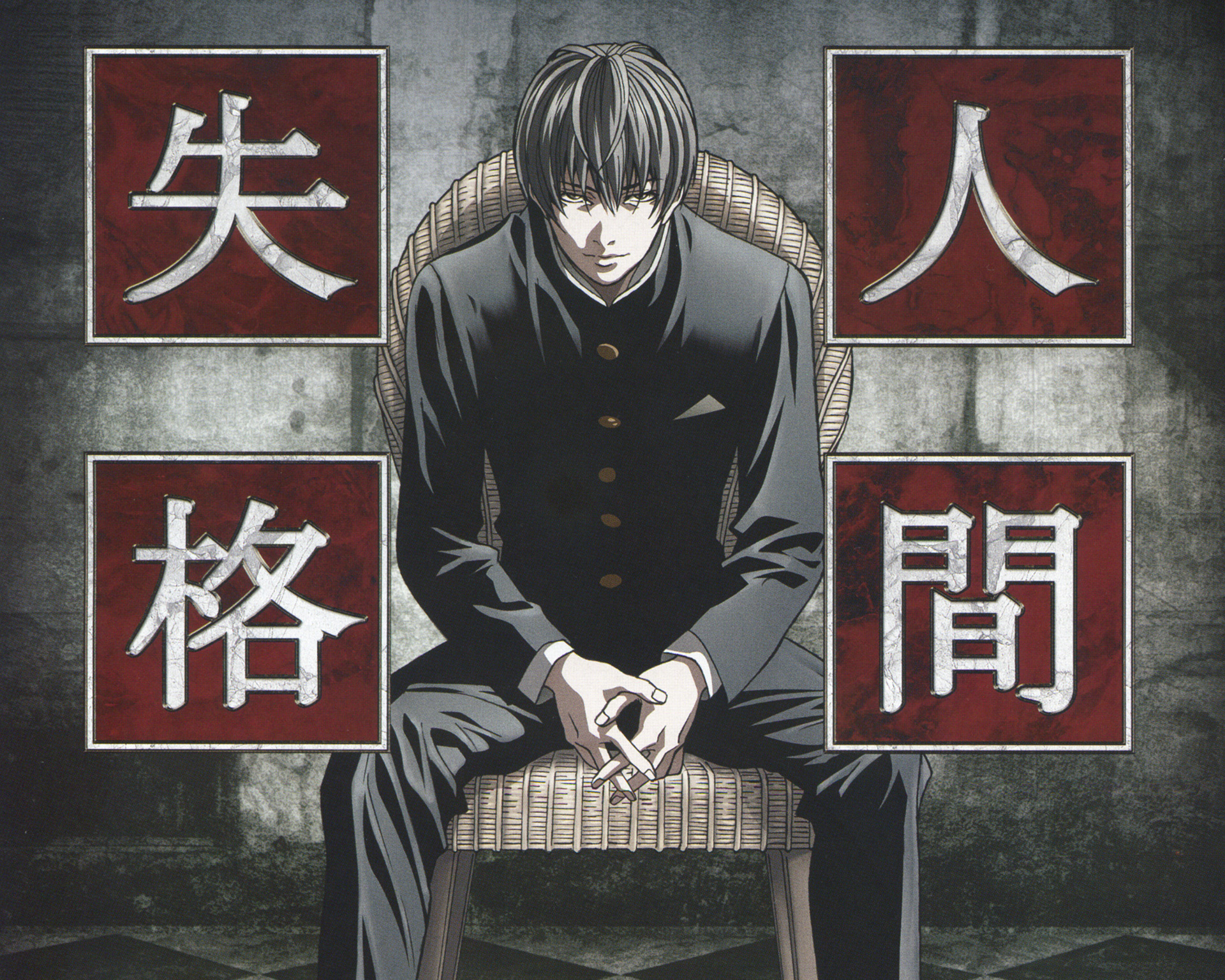
No Longer Human (Ningen Shikkaku) - A high school student becomes lost and alienated. Despondent and aimless, he falls into a cycle of self abuse, depression and drugs that taints his life for years. Told in four chapters, each chapter deals with a different point in his life and the final chapter leaves him standing alone - an empty and hollow caricature of his former self.
In the Forest, Under Cherries in Full Bloom (Sakura no Mori no Mankai no Shita) - A love story between a 12th-century woman and a mountain bandit who abducts her.
Kokoro - A 1914 tale of a young man's life journey during the Meiji era. The work deals with the transition from the Japanese Meiji society to the modern era, by exploring the friendship between a young man and an older man he calls "Sensei". It continues the theme of isolation developed in Soseki's previous works, here in the context of interwoven strands of egoism and guilt, as opposed to shame.
Run, Melos! (Hashire, Melos!) - An updated retelling of a classic Greek tale of the story of Damon and Pythias. The most prominent theme of "Run, Melos!" is unwavering friendship. Despite facing hardships, the protagonist Melos does his best to save his friend's life, and in the end his efforts are rewarded.
The Spider's Thread (Kumo no Ito) - The Buddha Shakyamuni chances to notice a cold-hearted criminal suffering in Hell. But this criminal did perform one single act of kindness in not stepping on a spider in a forest. Moved by this selfless act, Shakyamuni takes the silvery thread of a spider in Paradise and lowers it down into Hell, but it falls upon the criminal to seize the opportunity and pull himself out - if he can.
Hell Screen (Jigoku Hen) - A famous artist is commissioned by a great lord to create a series of paintings depicting scenes of the "Buddhist Hell." The artist is unable to paint scenes that he has not seen himself, prompting him to torture and torment the Lord's staff to create his imagined images of hell. His creative efforts taint the household, as the story descends into madness and destruction.
Aoi Bungaku Series has finished airing and it has 12 Episodes. It is also Known as: 青い文学シリーズ, Blue Literature
Genres: Japan , Contemporary Fantasy , Drama , Past , Historical , Thriller , Psychological
Try our anime quiz: Anime Characters Guessing Quiz/Game
Top 5 Anime Like Aoi Bungaku Series [2026 List]
- 5. Bakemonogatari
- 4. Fate/Zero 2nd Season
- 3. Ao no Exorcist
- 2. Wolf Children
- 1. Fate/Zero
5. Bakemonogatari
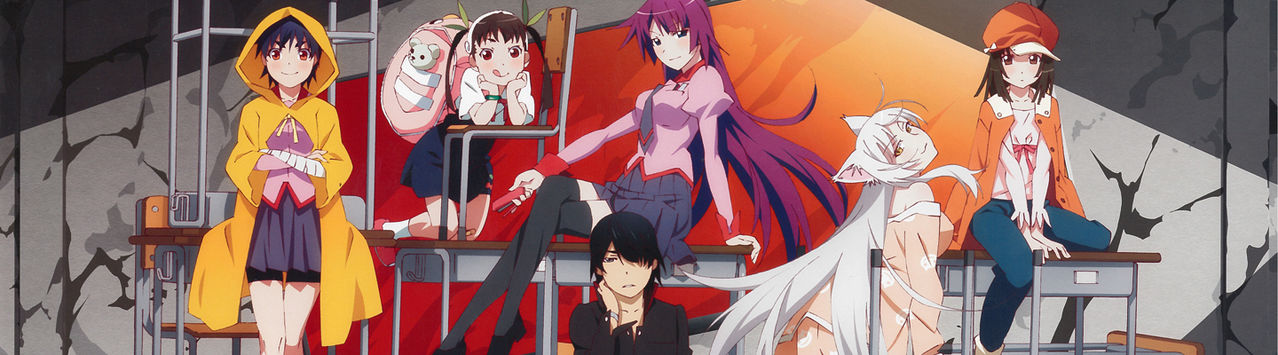
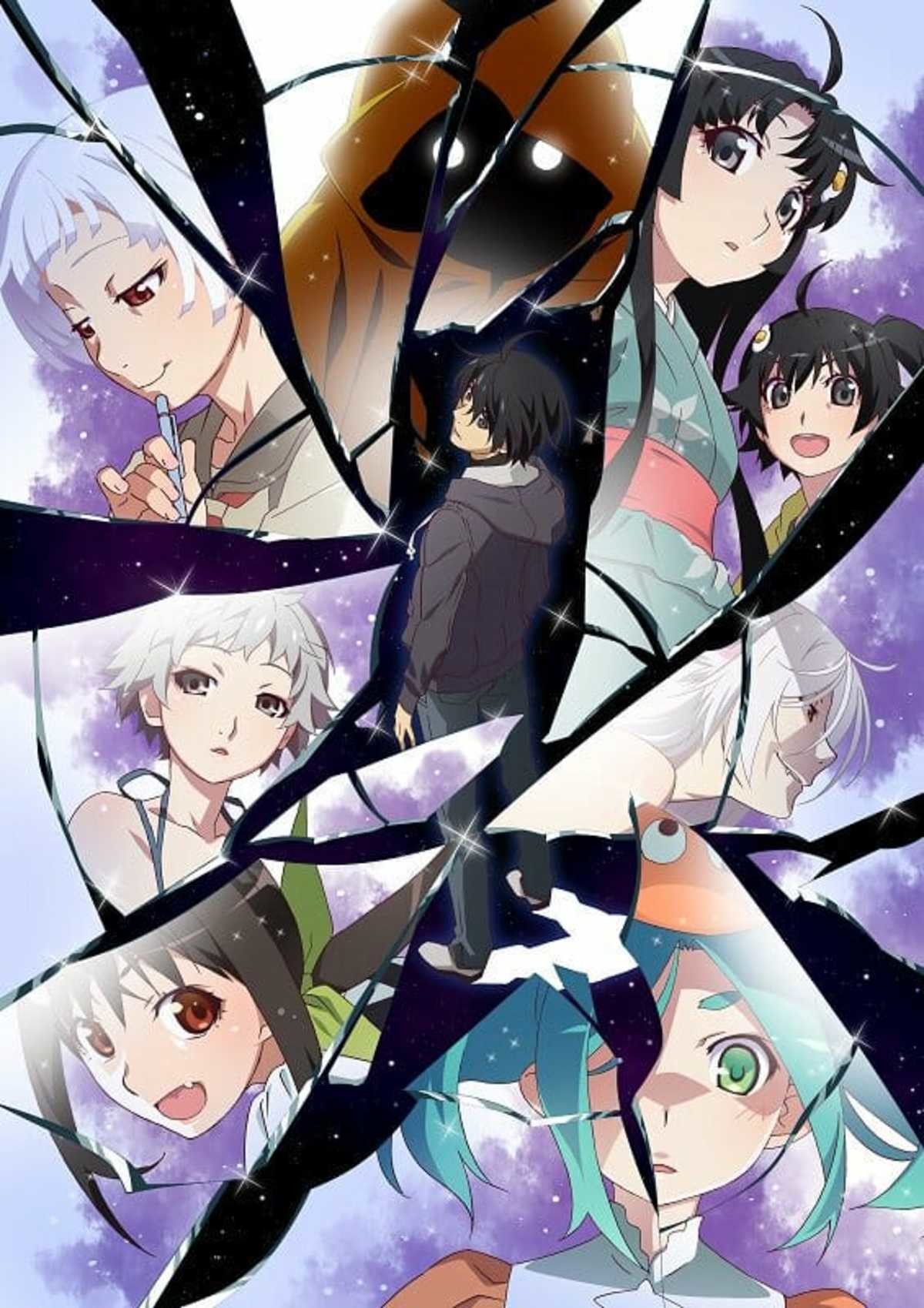
Koyomi Araragi, a third-year high school student, manages to survive a vampire attack with the help of Meme Oshino, a strange man residing in an abandoned building. Though being saved from vampirism and now a human again, several side effects such as superhuman healing abilities and enhanced vision still remain. Regardless, Araragi tries to live the life of a normal student, with the help of his friend and the class president, Tsubasa Hanekawa.
When fellow classmate Hitagi Senjougahara falls down the stairs and is caught by Araragi, the boy realizes that the girl is unnaturally weightless. Despite Senjougahara's protests, Araragi insists he help her, deciding to enlist the aid of Oshino, the very man who had once helped him with his own predicament.
Through several tales involving demons and gods, Bakemonogatari follows Araragi as he attempts to help those who suffer from supernatural maladies.
Bakemonogatari has finished airing and it has 15 Episodes. It is also Known as: 化物語, Ghostory
4. Fate/Zero 2nd Season
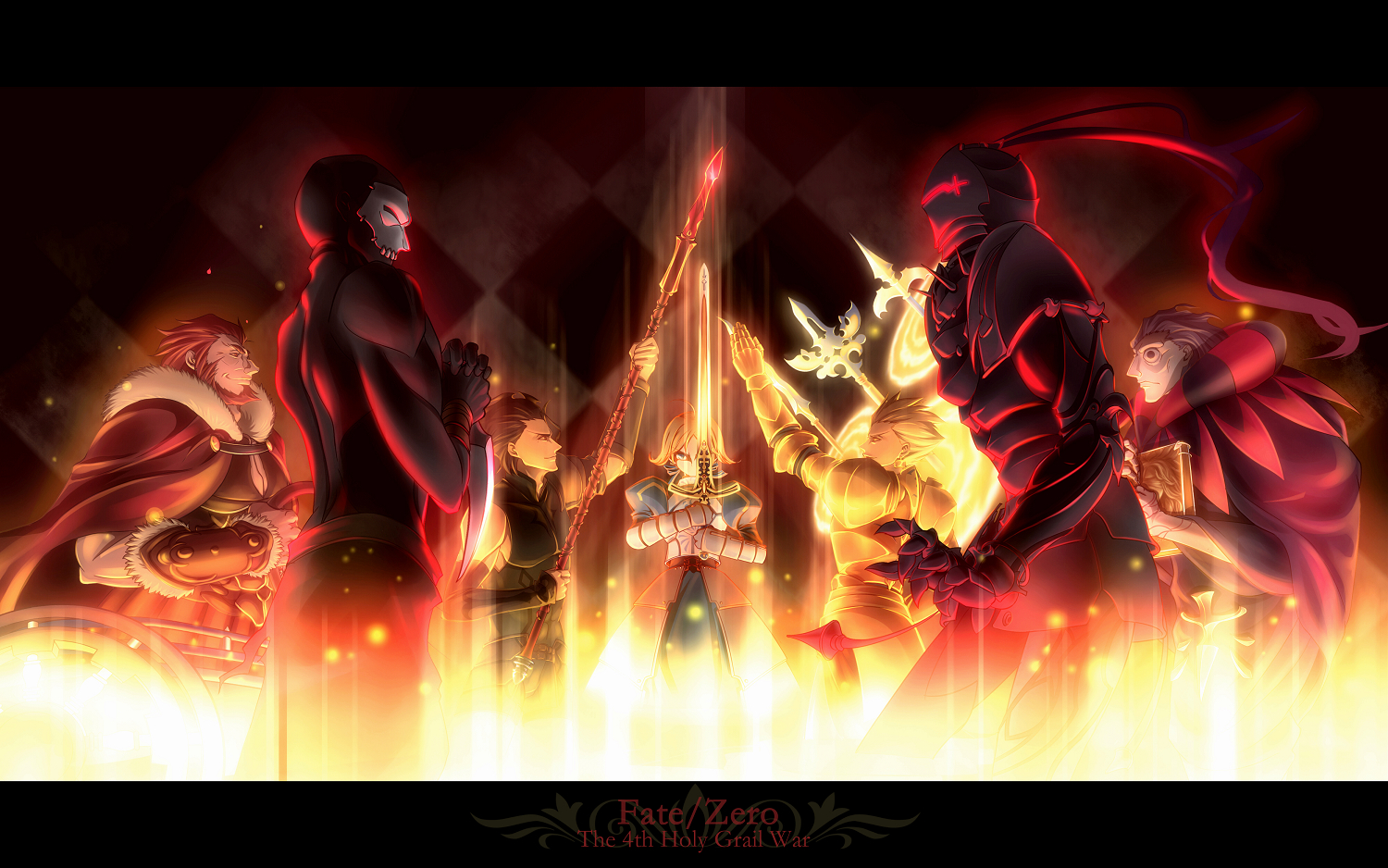
As the Fourth Holy Grail War rages on with no clear victor in sight, the remaining Servants and their Masters are called upon by Church supervisor Risei Kotomine, in order to band together and confront an impending threat that could unravel the Grail War and bring about the destruction of Fuyuki City. The uneasy truce soon collapses as Masters demonstrate that they will do anything in their power, no matter how despicable, to win.
Seeds of doubt are sown between Kiritsugu Emiya and Saber, his Servant, as their conflicting ideologies on heroism and chivalry clash. Meanwhile, an ominous bond forms between Kirei Kotomine, who still seeks to find his purpose in life, and one of the remaining Servants. As the countdown to the end of the war reaches zero, the cost of winning begins to blur the line between victory and defeat.
Fate/Zero Season 2 has finished airing and it has 12 Episodes. It is also Known as: フェイト/ゼロ 2ndシーズン, Fate/Zero Second Season
3. Ao no Exorcist

Humans and demons are two sides of the same coin, as are Assiah and Gehenna, their respective worlds. The only way to travel between the realms is by the means of possession, like in ghost stories. However, Satan, the ruler of Gehenna, cannot find a suitable host to possess and therefore, remains imprisoned in his world. In a desperate attempt to conquer Assiah, he sends his son instead, intending for him to eventually grow into a vessel capable of possession by the demon king.Ao no Exorcist follows Rin Okumura who appears to be an ordinary, somewhat troublesome teenager—that is until one day he is ambushed by demons. His world turns upside down when he discovers that he is in fact the very son of Satan and that his demon father wishes for him to return so they can conquer Assiah together. Not wanting to join the king of Gehenna, Rin decides to begin training to become an exorcist so that he can fight to defend Assiah alongside his brother Yukio.
Blue Exorcist has finished airing and it has 25 Episodes. It is also Known as: 青の祓魔師(エクソシスト), Ao no Futsumashi
2. Wolf Children
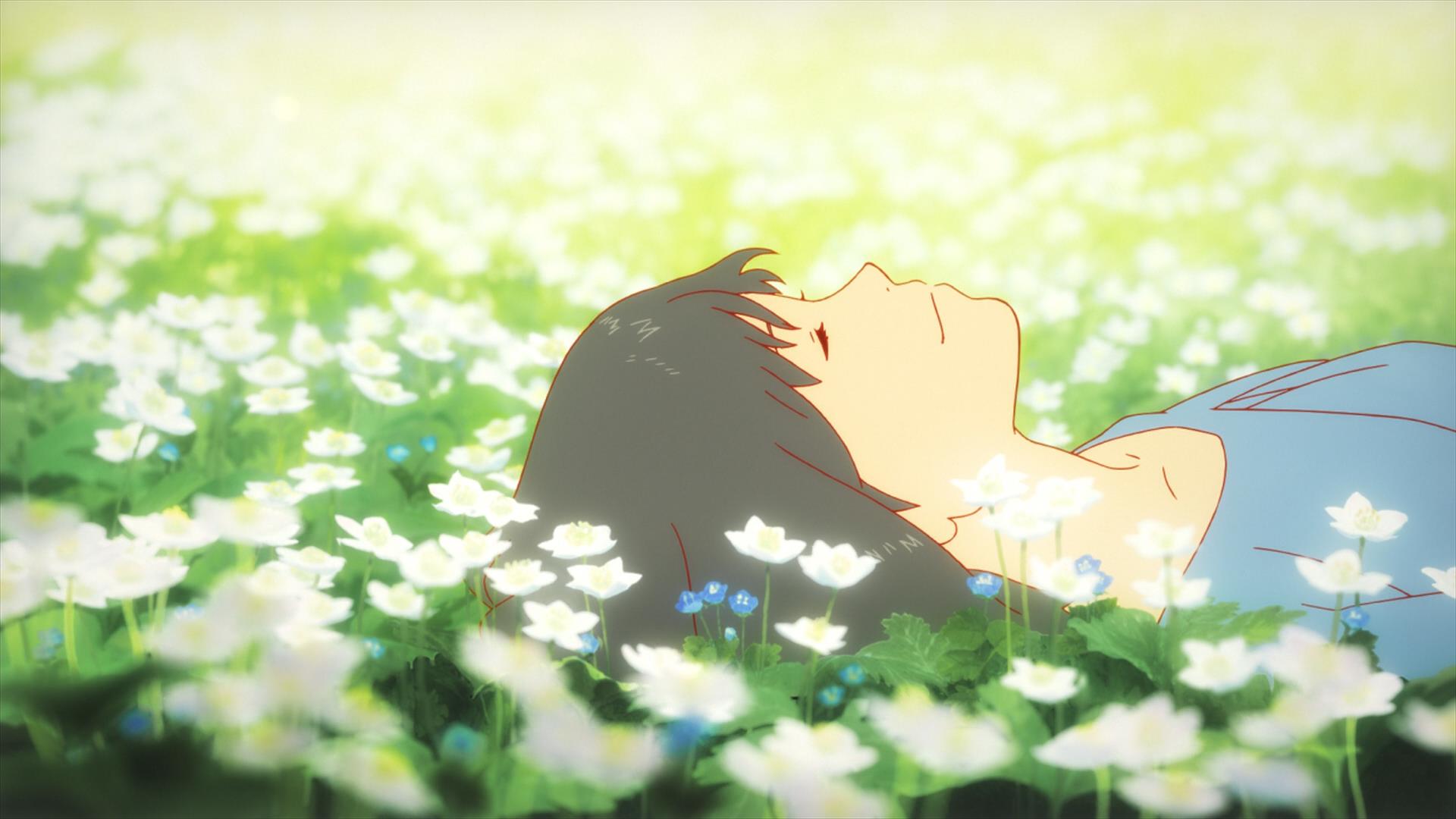
Hana, a hard-working college student, falls in love with a mysterious man who attends one of her classes though he is not an actual student. As it turns out, he is not truly human either. On a full moon night, he transforms, revealing that he is the last werewolf alive. Despite this, Hana's love remains strong, and the two ultimately decide to start a family.
Hana gives birth to two healthy children—Ame, born during rainfall, and Yuki, born during snowfall—both possessing the ability to turn into wolves, a trait inherited from their father. All too soon, however, the sudden death of her lover devastates Hana's life, leaving her to raise a peculiar family completely on her own. The stress of raising her wild-natured children in a densely populated city, all while keeping their identity a secret, culminates in a decision to move to the countryside, where she hopes Ame and Yuki can live a life free from the judgments of society. Wolf Children is the heartwarming story about the challenges of being a single mother in an unforgiving modern world.
Wolf Children has finished airing and it has 1 Episodes. It is also Known as: Ookami Kodomo no Ame to Yuki, おおかみこどもの雨と雪, The Wolf Children Ame and Yuki
1. Fate/Zero
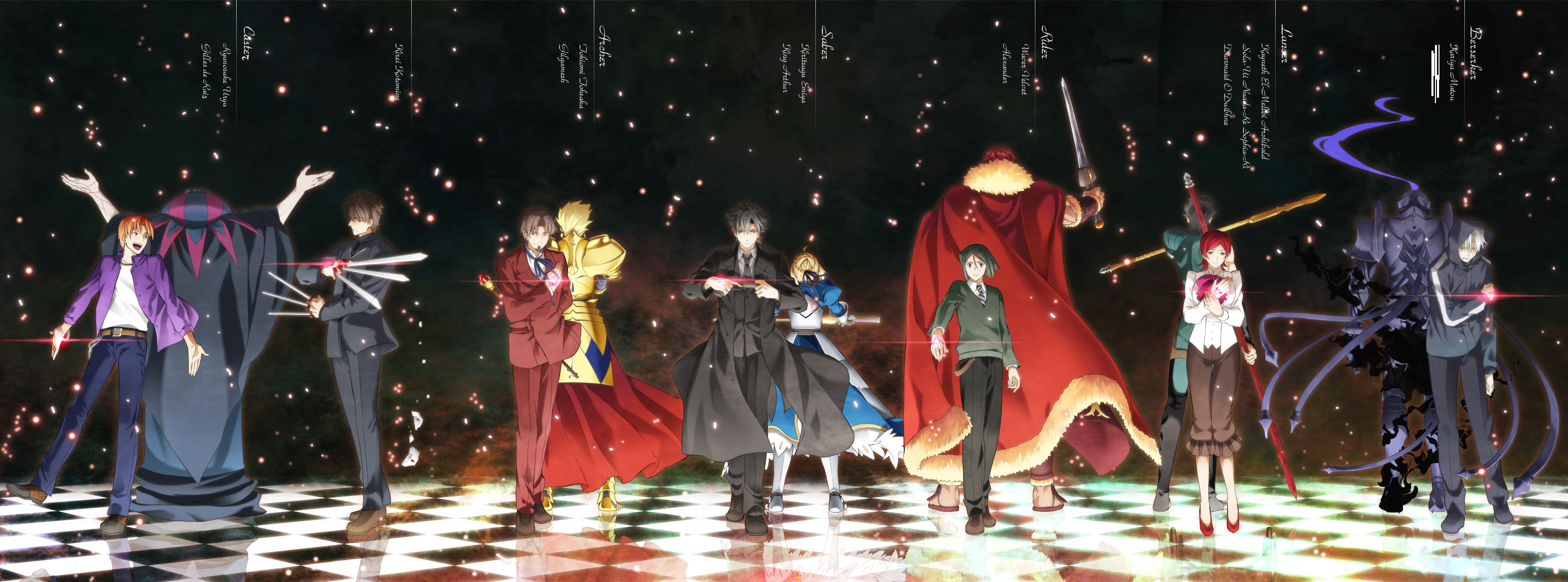
With the promise of granting any wish, the omnipotent Holy Grail triggered three wars in the past, each too cruel and fierce to leave a victor. In spite of that, the wealthy Einzbern family is confident that the Fourth Holy Grail War will be different; namely, with a vessel of the Holy Grail now in their grasp. Solely for this reason, the much hated "Magus Killer" Kiritsugu Emiya is hired by the Einzberns, with marriage to their only daughter Irisviel as binding contract.
Kiritsugu now stands at the center of a cutthroat game of survival, facing off against six other participants, each armed with an ancient familiar, and fueled by unique desires and ideals. Accompanied by his own familiar, Saber, the notorious mercenary soon finds his greatest opponent in Kirei Kotomine, a priest who seeks salvation from the emptiness within himself in pursuit of Kiritsugu.
Based on the light novel written by Gen Urobuchi, Fate/Zero depicts the events of the Fourth Holy Grail War—10 years prior to Fate/stay night. Witness a battle royale in which no one is guaranteed to survive.
Fate/Zero has finished airing and it has 13 Episodes. It is also Known as: フェイト/ゼロ, Fate/Zero